Snead State Community College math instructor Dr. Caitlin Dickerson traditionally receives “Thank You” cards from students at the conclusion of most semesters.
Most students thank her for helping them improve in math or becoming better individuals overall.
One card that stands out to Dickerson from a couple of years ago has nothing to do with principles related to geometry or calculus.
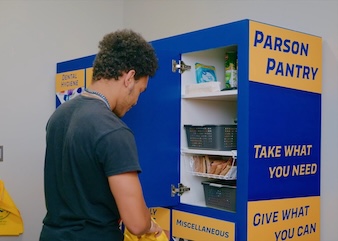
It stems from her role as co-chair of overseeing the Snead State Parson Pantry – a one-stop shop for free non-perishable food items like granola bars, canned soup, peanut butter and instant make prmeals. Products like deodorant, toothbrushes, laundry detergent and even diapers are also readily available at the Parson Pantry.
“One of my favorite cards is from a mom. It was a quick note thanking Snead State for providing an outlet to help her daughter be successful at college – not just with academics, but so she wouldn’t have to worry about basic or emergency needs. This student had five siblings, and the resources here were important for the family. Hearing stories like that is rewarding,” Dickerson said. “Times can be tough. We try to do as much as we can for the students, and we love when it positively affects families.”
Dickerson oversees the Parson Pantry along with Brittany Goble, Director of Student Services and Engagement at Snead State.
According to the U.S. Government Accountability Office, approximately 3.8 million college students faced food insecurities in 2020.
For those reasons, food pantries or food banks continue to increase across Alabama Community College System (ACCS) institutions.
The colleges partner with local food banks, finding solutions to day-to-day insecurities that can creep into life.
Finding solutions. That’s what the ACCS does.
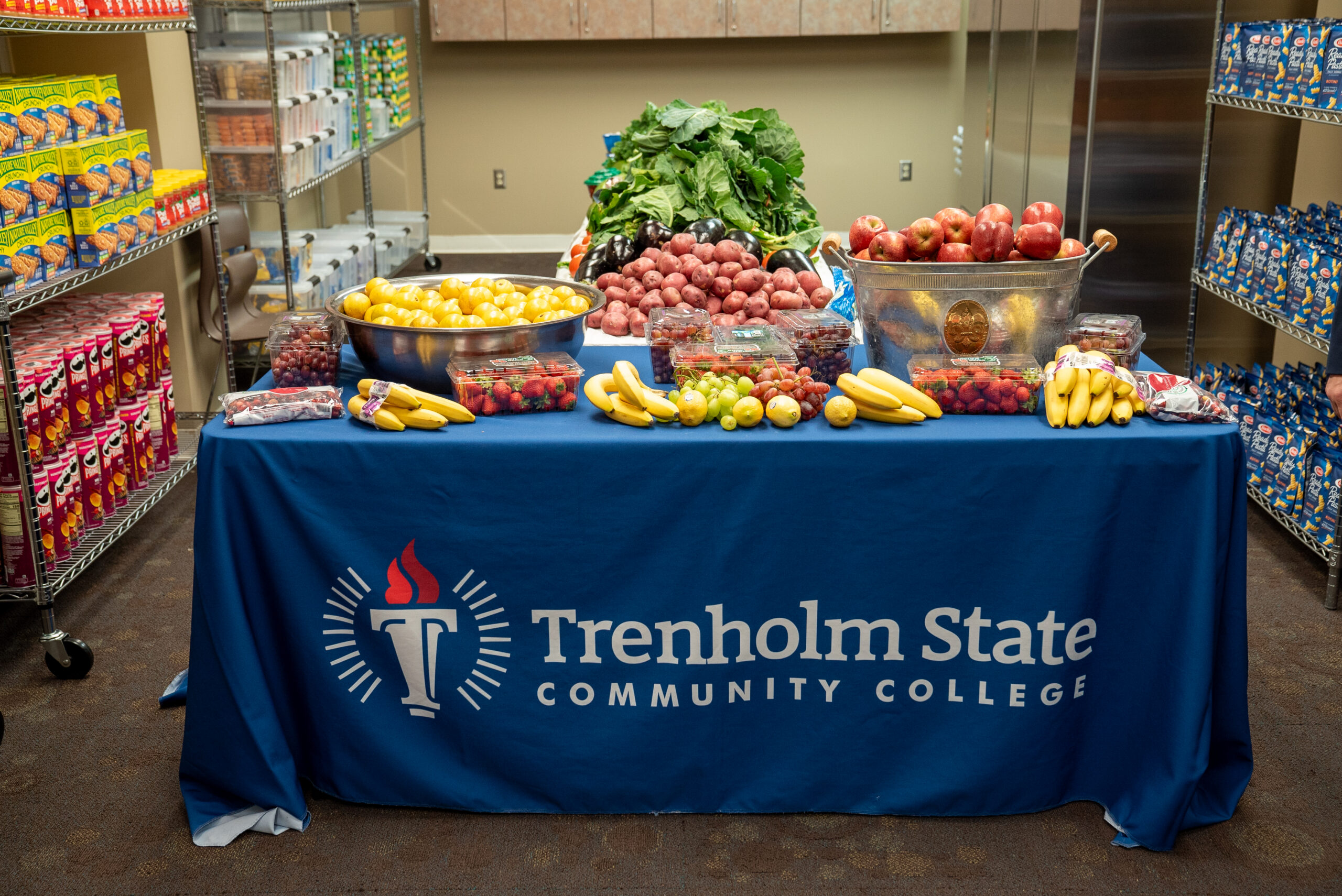
At Trenholm State, The Councill Pantry has extended to both its main campus and the Patterson site.
Cherrell Taylor, a Student Success Specialist at Trenholm State and Phi Theta Kappa co-advisor, gets a front row seat to the benefits of the food pantry.
“One of the highlights is seeing the smile on our students’ faces who utilize the pantry. The food insecurities are there, but it’s beyond that. A lot of our students are either on campus all day or have go straight to work after classes. The pantry is a resource they otherwise wouldn’t have on campus,” Taylor said. “The food items matter. The essential items are huge. The goal is student-driven.”
As fall semester classes continue at Alabama’s community colleges, students are learning about the food pantry resources through avenues such as social media, newsletters, flyers, classroom announcements and word of mouth.
“I think we do a good job of eliminating the stigma that the pantry is for students who come from certain backgrounds. I think it’s part of the student experience. It’s for everyone. It’s a resource to help students thrive or have one less worry as they earn their associate degree, transfer or enter the workforce,” said Snead State’s Dickerson.
Serving students is the ACCS. Providing conveniences like the food pantries is the ACCS Making Life Better.
Learn more about the ACCS